In the quiet rhythms of life in remote fishing villages, surrounded by the sea and nourished by the land, waste was once something that disappeared—burned, buried, or tossed into the bush or sea. But as modern packaging, plastic, and industrial materials have become part of daily life, this approach no longer works. Now, more than ever, recycling plays a vital role in protecting the environment, improving community health, and strengthening the sustainability of fishing-based livelihoods.
A Growing Problem in Beautiful Places
Remote coastal communities often face a unique set of challenges when it comes to waste management. Access to formal disposal systems is limited or non-existent. Plastic bottles, food packaging, old nets, and broken tools pile up with no designated place to go. Some households burn their trash, releasing toxic fumes, while others dump waste in forests, rivers, or the sea—contributing to pollution, harming marine life, and affecting tourism potential.
In many fishing villages, the people rely directly on the sea for food, work, and cultural identity. So when trash ends up in the ocean, it’s not just an environmental problem—it’s a direct threat to their way of life.
Recycling as a Practical Solution
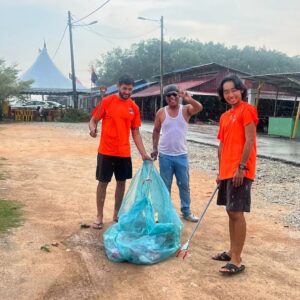
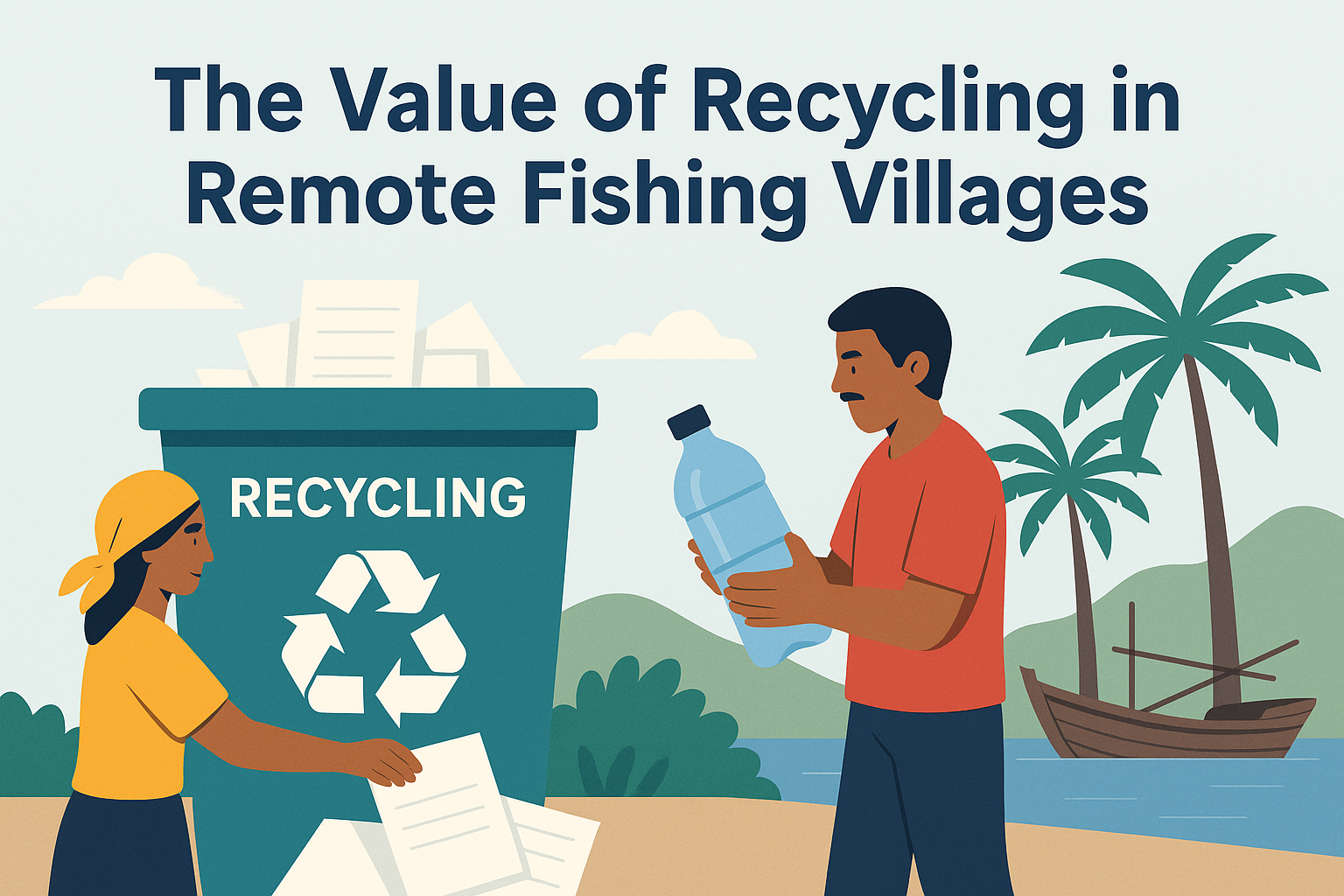
Introducing simple, community-based recycling systems in remote areas can have a powerful impact. A well-organized recycling point—where villagers can bring paper, cardboard, plastic, and metal—gives waste a clear destination. When paired with education, it transforms how people think about their trash. Suddenly, instead of being something to throw into the bush, waste becomes something to sort, clean, and reuse—or at least dispose of responsibly.
Recycling centers in villages often start small: a few bins, a collection point, a local volunteer or team responsible for monitoring. But they grow quickly once people begin to see the benefits. Children learn to separate materials at home. Fishermen bring used plastic containers back from the sea. Local women may even take part in sorting and upcycling initiatives. Most importantly, the village becomes cleaner, safer, and more sustainable.
Benefits for the Environment and Health
One of the most visible changes after introducing recycling is how the landscape transforms. Instead of plastic waste tangled in bushes or floating in riverbanks, communities begin to reclaim their surroundings. This has a direct effect on public health: fewer mosquitoes, less smoke from burning waste, and reduced exposure to harmful materials.
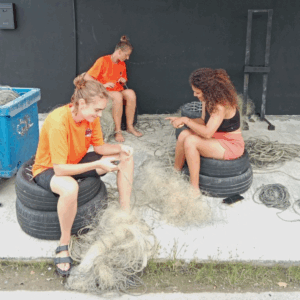
Recycling also helps protect the marine environment, which is crucial for fishing communities. Discarded fishing nets (also called “ghost nets”) can entangle sea life, damage coral reefs, and continue trapping fish long after they’re abandoned. A village recycling initiative that collects, strips, and reuses parts of old nets not only reduces pollution but also helps fishermen make the most of their gear—saving money and reducing loss.
Building Ownership and Local Jobs
Perhaps one of the most powerful aspects of a village-based recycling program is that it builds community ownership. These systems work best when they are run by local people, for local people. Volunteers or small paid teams take on responsibility for education, sorting, and transporting recyclables. Local leaders help enforce standards and encourage participation.
In time, recycling initiatives can even generate income. Some communities sell sorted recyclables to buyers in nearby towns. Others partner with NGOs or government programs that offer small grants or logistical support. In creative villages, recycled materials can become the basis for micro-enterprises: making bricks from plastic, building compost bins, or crafting items to sell.
Education: The Real Long-Term Change
At the heart of it all, recycling in fishing villages is not just about bins or bottles—it’s about changing habits and attitudes. Education, especially among youth, is key. When children learn the difference between plastic and paper, understand why pollution harms fish, and take pride in a clean environment, they become the driving force behind long-term change.
A recycling center can double as a classroom, a project base, or a gathering place for environmental learning. Pairing recycling with school programs, community clean-ups, or arts initiatives makes it more visible and more valuable.
A Small Effort with Big Impact
While the idea of recycling may seem like a small thing in the face of global environmental challenges, its impact in remote fishing villages is deeply meaningful. Cleaner streets, healthier oceans, less toxic smoke, and more pride in public spaces all contribute to a better quality of life—for families today and for generations to come.
When supported by local leaders and community members, recycling becomes more than just waste management. It becomes a tool for resilience, empowerment, and environmental justice—showing that even small, remote villages have the power to make a big difference.
Interested in helping a village start its own recycling project? Contact us to learn more about how you can support or volunteer.