Every year, thousands of tons of fishing nets are lost or abandoned in the oceans — and the impact on marine ecosystems is devastating.
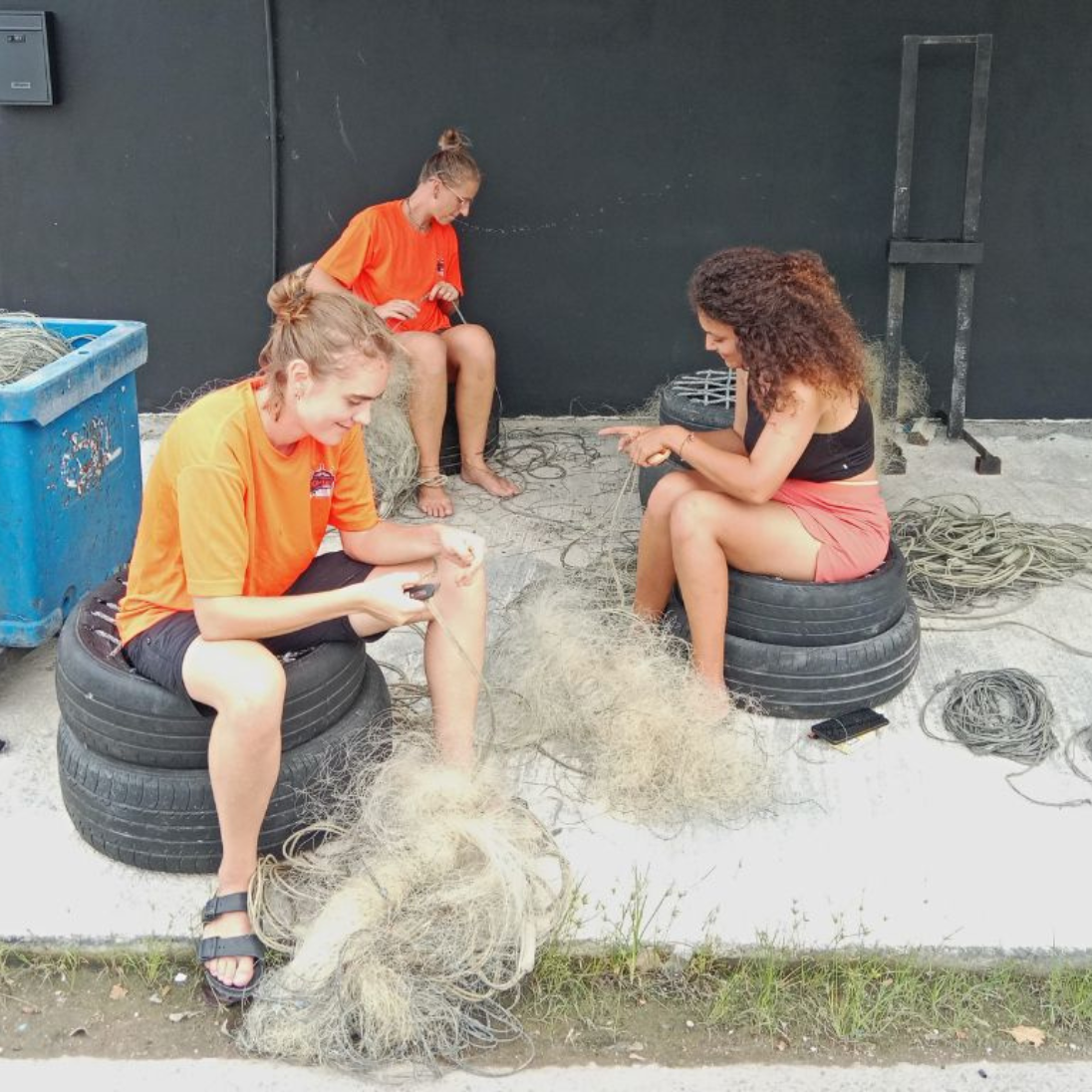
Fishing nets, especially those made from durable plastics like nylon, are designed to trap fish efficiently. But when these nets are lost at sea (often called “ghost nets”), they continue to trap marine life for months or even years. Sea turtles, dolphins, seals, and fish become unintended victims, suffering injury or death in the invisible traps.
Over time, these nets break down into microplastics, polluting the water and entering the food chain. These particles are now found in fish, seabirds, and even in human bodies — a troubling sign of how deeply plastic pollution has spread.
In addition to harming wildlife, ghost nets damage coral reefs and seabeds by dragging across the ocean floor, destroying fragile ecosystems.
🧩 What Can Be Done?
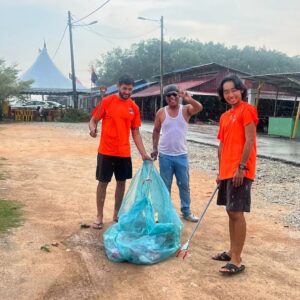
- Support clean-up efforts like The Ocean Cleanup or Ghost Diving
- Reduce seafood consumption or choose sustainably sourced options
- Advocate for better net tracking and disposal systems in commercial fishing
The ocean can’t throw these nets away — but we can help stop them from piling up.